
Ready to Remodel? Ask Our AI Assistant for Expert Advice!
Finishing a basement isn’t just about adding square footage; it’s about creating a space that feels just as comfortable, clean, and healthy as the rest of your home. In Fort Collins, where climate conditions vary dramatically throughout the year, energy-efficient basement finishing requires more than insulation and drywall.
A well-designed basement should feel warmer, drier, and fresher not damp, cold, or musty. Getting there means understanding how moisture, airflow, and temperature interact below grade.
Many homeowners expect their basement to naturally feel cooler, but that doesn’t mean it should feel uncomfortable. When done right, basement finishing in Fort Collins creates a space that maintains stable temperatures, balanced humidity, and clean air circulation.
If your basement feels cold or smells musty, it’s usually not a cosmetic issue; it’s a system issue involving airflow, insulation, or moisture control.
1) Water control (bulk moisture)
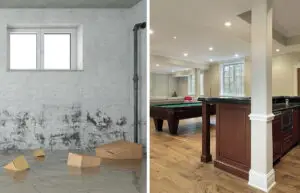
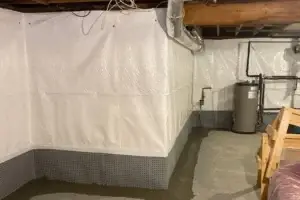
Managing water is the foundation of any successful basement project. Moisture can enter through soil, foundation walls, or improper drainage. Before any finishing begins, water intrusion must be addressed from the outside and inside.
2) Air control (drafts + soil gases)
Airflow affects both comfort and health. Uncontrolled air movement can bring in moisture, cold drafts, and even soil gases like radon. Proper sealing and ventilation help maintain clean, balanced indoor air.
3) Thermal control (insulation that won’t trap moisture)
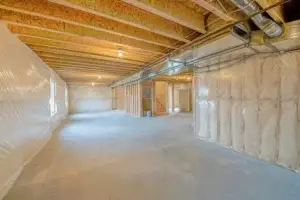
Insulation isn’t just about warmth; it’s about controlling how heat and moisture interact. The wrong insulation can trap condensation behind walls, leading to long-term problems. Smart insulation keeps surfaces warm while allowing the structure to breathe where needed.
Fort Collins presents a unique combination of environmental challenges. Cold concrete walls naturally absorb moisture, while winter air creates strong temperature differences between indoor and outdoor conditions.
In spring, snowmelt increases ground moisture around foundations, adding another layer of complexity. These seasonal changes mean basements must be designed to handle both dryness and moisture fluctuations throughout the year.
This is why finishing a basement in Colorado requires a climate-specific approach rather than a one-size-fits-all solution.
These small insights can make a big difference in long-term comfort and performance.
Different insulation strategies serve different purposes, especially in below-grade environments.
The key is choosing an approach that balances warmth, airflow, and moisture control especially during basement remodeling projects.
1) Start with moisture proofing and drainage not drywall
Before finishing begins, ensure the foundation is protected from water intrusion. Exterior grading, drainage systems, and crack sealing should come first.
2) Test for radon before (and after) finishing
Radon testing helps identify potential risks early. Addressing it during construction is easier and more cost-effective.
3) Insulate in a way that protects you from condensation
Insulation should keep interior surfaces warm while preventing moisture from getting trapped behind walls.
4) Target smart R-values for Fort Collins’s climate
Proper insulation levels improve energy efficiency without over-insulating in ways that could create moisture issues.
5) Control indoor humidity year-round (aim for 30–50%)
Balanced humidity prevents mold growth and improves overall comfort. Dehumidifiers and ventilation systems help maintain this range.
6) Keep the layout “future-proof” for comfort and efficiency
Flexible layouts allow for better airflow, lighting, and temperature control over time.
Comfort isn’t just about heating it’s about how materials and design choices interact with temperature.
Smart finishing choices include:
These upgrades help basements feel inviting without increasing energy costs.
Colorado homes experience significant temperature swings throughout the year. Basements must be designed to handle these changes without losing efficiency or comfort.
At the same time, radon awareness remains important, especially when basements are converted into living spaces like bedrooms or offices. Proper ventilation and mitigation systems ensure a safe indoor environment.
Experienced basement remodel contractors understand how to combine energy efficiency with health and safety, creating spaces that perform well long-term.
An energy-efficient basement isn’t just about saving on utility bills it’s about creating a space that feels right every day. When moisture control, airflow, and insulation are handled correctly, your basement becomes one of the most comfortable areas in your home.
Whether you’re planning a family room, guest suite, or workspace, thoughtful planning during basement finishing ensures your investment delivers comfort, durability, and long-term value.
Basements are below grade and naturally cooler. Without proper insulation and airflow, temperature differences become more noticeable.
Yes. Hidden moisture can exist without visible signs and may lead to long-term damage if not addressed.
Maintaining indoor humidity between 30–50% helps prevent mold and improves comfort.
Yes. Testing before construction helps identify issues early and allows for easier mitigation.
Absolutely. Efficient, comfortable basements are highly attractive to buyers and improve overall property value.