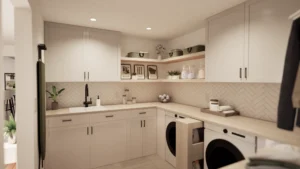
Finishing a basement is one of the best ways to increase your home’s living space and long-term value. Whether you’re planning a family room, guest suite, home office, gym, or entertainment area, choosing the right basement remodel contractor in Colorado can make the difference between a smooth renovation and an expensive mistake.
Unlike remodeling a kitchen or bathroom, basement projects require careful planning around moisture control, ventilation, insulation, permits, and building codes. Hiring an experienced contractor who understands Colorado basements helps ensure your finished space is comfortable, safe, and built to last.
This guide walks you through what to look for before signing a contract.
A Practical Checklist for Decisive, Risk-Aware Colorado Homeowners
Homeowners often compare estimates based only on price. While budget matters, the lowest bid doesn’t always deliver the best value.
Before hiring a contractor, ask yourself:
- Do they specialize in basement remodeling?
- Are they familiar with Colorado building codes?
- Will they handle permits and inspections?
- Do they have a clear project timeline?
- Can they explain how they’ll address moisture, HVAC, and insulation?
The right contractor should answer these questions confidently and provide a clear plan not vague promises.
Start With the “Non-Negotiables” That Drive Basement Success
Every successful basement remodel begins with a few essential priorities.
These include:
- Proper moisture protection
- Code-compliant construction
- Comfortable heating and cooling
- Safe electrical and plumbing work
- Functional layouts designed for long-term use
A contractor who addresses these items from the beginning is more likely to deliver a basement that performs well for years rather than one that only looks good on completion day.
Why Colorado Basements Remodel Differently Than “The Rest of the House”
Colorado basements face unique environmental conditions that don’t exist in most above-grade living spaces.
Factors such as cooler temperatures, seasonal moisture changes, expansive soils, and radon awareness all influence how a basement should be finished. In addition, HVAC systems often need balancing to keep lower levels as comfortable as the main floor.
An experienced basement contractor understands these challenges and incorporates solutions into the design rather than treating them as afterthoughts.
Did You Know?
Many homeowners are surprised to learn:
- Most basement remodels require permits for electrical, plumbing, or structural work.
- Adding a legal basement bedroom usually requires a code-compliant egress window.
- Moisture issues can exist even when a basement has never flooded.
- Proper insulation improves both comfort and energy efficiency.
- Addressing radon before finishing a basement is often easier than afterward.
Planning for these factors early helps prevent costly changes later.
A Step-by-Step Hiring Checklist for a Basement Remodel Contractor in Colorado
1) Ask What Scope Triggers Permits in Your City (And Who Pulls Them)
Permit requirements vary between municipalities across Colorado. A qualified contractor should understand local regulations and clearly explain which parts of the project require permits and inspections.
They should also clarify whether they will obtain permits on your behalf and coordinate inspections throughout the project.
2) Verify How They Handle Basement Bedrooms (Egress + Alarms + Ceiling Height)
If your remodel includes a bedroom, ask how the contractor approaches building code requirements.
A professional should discuss:
- Egress window requirements
- Smoke and carbon monoxide alarms
- Minimum ceiling height
- Emergency escape access
Planning these elements early helps avoid inspection delays and costly modifications later.
3) Make HVAC a First-Class Part of the Design (Not an Afterthought)
One of the most common homeowner complaints is a finished basement that feels too cold in winter or stuffy during summer.
Ask how the contractor plans to:
- Balance airflow
- Improve ventilation
- Size supply and return vents
- Maintain consistent temperatures
Comfort should be designed into the project, not addressed after construction is complete.
4) Demand a Moisture Plan Before Choosing Finishes
Flooring, drywall, paint, and trim all depend on one thing: a dry basement.
Before selecting finishes, ask how the contractor evaluates:
- Moisture history
- Drainage concerns
- Insulation methods
- Vapor management
- Humidity control
Protecting the structure first helps preserve your investment for years to come.
5) Evaluate Credibility: Process, Communication, and Warranty Clarity
A trustworthy contractor offers more than construction skills. They also provide a clear process from consultation to completion.
Look for companies that:
- Provide detailed written estimates
- Explain project timelines
- Communicate regularly
- Offer workmanship warranties
- Have positive local reviews and references
Good communication often leads to smoother projects and fewer surprises.
Quick Comparison: What “Basement-First” Contractors Do Differently
General Remodeling Contractor | Basement Remodeling Specialist |
| Works on many project types | Focuses on basement renovations |
| May outsource specialty work | Coordinates basement-specific systems |
| Basic finishing knowledge | Understands moisture, insulation, HVAC, and basement codes |
| General construction process | Basement-focused planning and design |
| Standard layouts | Functional layouts optimized for below-grade living |
Choosing a contractor with basement-specific experience often results in better comfort, durability, and long-term value.
Smart, Resale-Friendly Basement Upgrades Colorado Homeowners Ask For
Today’s homebuyers are looking for finished basements that offer both flexibility and everyday functionality. Features like home offices, guest suites, entertainment rooms, home gyms, wet bars, multi-purpose family spaces, and built-in storage solutions are among the most desirable upgrades. When thoughtfully designed, these additions not only improve your family’s daily living experience but also make your home more appealing to future buyers, helping maximize its resale value.
Local Colorado Angle: What to Confirm Before You Sign a Contract
Before signing a remodeling contract, take the time to review exactly what is included in the project scope. Make sure the agreement clearly outlines permit responsibilities, the construction timeline, payment milestones, material selections, warranty coverage, and the process for handling change orders. Colorado homeowners should also ask how the contractor plans to address local factors such as moisture control, energy efficiency, and the state’s unique climate conditions. A detailed, transparent contract helps prevent misunderstandings and gives both you and your contractor a clear roadmap for a successful basement remodel.
Want a Basement Plan That’s Built for Inspections and Built for Real Life?
A successful basement remodel is about more than beautiful finishes. It’s about creating a space that’s comfortable, code-compliant, energy-efficient, and built to support your family’s lifestyle for years to come.
At NOCO Accents, we believe thoughtful planning is the foundation of every great basement renovation. From permits and moisture management to custom layouts and finishing details, our goal is to create basements that look exceptional and perform even better.
FAQ:
Do I need a permit to finish my basement in Colorado?
In most cases, yes. Electrical work, plumbing, framing, HVAC modifications, and structural changes typically require permits and inspections.
If I add a basement bedroom, is an egress window required?
Yes. A legal basement bedroom generally requires a code-compliant egress window to provide a safe emergency exit.
What should be included in a basement remodel bid?
A complete proposal should include project scope, material specifications, labor costs, permits, estimated timeline, payment schedule, and warranty information.
How do I prevent a basement from feeling cold or stuffy?
Proper insulation, balanced HVAC design, adequate ventilation, and moisture control all contribute to a more comfortable basement.
Should I test for radon before finishing my basement?
Yes. Testing before construction begins allows any necessary mitigation work to be completed before walls and finishes are installed, making the process simpler and more cost-effective.
Final Thoughts
Choosing the right basement remodel contractor is one of the most important decisions you’ll make during your renovation. By focusing on experience, communication, code compliance, and long-term performance, not just price, you can create a finished basement that adds comfort, value, and peace of mind. Taking the time to hire a qualified Colorado basement specialist helps ensure your investment is built to last.