If you’re planning on finishing a basement in Colorado, upgrading your lower level can completely transform your home, not just in terms of livable square footage, but also in comfort, resale value, and functionality. Whether you’re working with professional basement remodel contractors or designing custom basements, here are 11 finish upgrades that are worth serious consideration.
1. Sound-Dampening Insulation
One of the most valuable “unseen” investments you can make is quality insulation. Adding insulation during a basement remodeling project not only improves energy efficiency but also reduces noise from the floors above. As Sheffield Homes notes, options like RC channel decouple drywall for better sound isolation, while mineral wool batts (such as Thermafiber® SAFB™) offer fire resistance and excellent acoustic dampening.
2. Smart HVAC and Mechanical Upgrades
Since the walls are open during a basement finish, it’s the ideal time to upgrade your HVAC system. Adding or replacing your furnace, HVAC ductwork, or even moving to a tankless water heater can be more efficient and cost-effective when done early. These upgrades can improve temperature control, lower energy costs, and increase your home’s comfort year-round.
3. Enhanced Electrical & Low-Voltage Wiring
Electrical upgrades are often at the top of the list, not just for lighting, but for supporting modern specialty needs. You can expand recessed lighting, add dimmer switches, or upgrade to 20-amp circuits for gym equipment or a bar fridge. At the same time, low-voltage wiring (for surround-sound, smart home systems, or security) can be run during this phase, giving you long-term flexibility without having to reopen walls later.
4. Moisture-Resistant & Durable Flooring
Basements are uniquely vulnerable to moisture, so your choice of flooring matters. According to Sheffield Homes, luxury vinyl plank (LVP/EVP) is a popular upgrade because it’s nearly waterproof, scratch-resistant, and visually mimics hardwood. Polished concrete is another modern, low-maintenance option, or you can level the floor and add an upgraded carpet pad for a warmer, cozier feel.
5. Layered, High-Quality Lighting
Lighting dramatically affects how a basement feels. Because natural light is often limited, smart lighting design becomes essential. Experts recommend combining recessed LED lighting (which lasts longer and is energy-efficient) with task lighting, accent lighting, and dimmers for versatility.
Layered lighting helps create distinct zones from relaxation areas to workspaces.
6. Soundproofing and Acoustics
If you’re planning a basement guest suite, home office, or home theater, consider soundproofing upgrades. Along with insulation, techniques like resilient channels or acoustic drywall help reduce sound transfer. Effective sound control means guests or family members upstairs won’t be disturbed, and your basement feels more like a real living space.
7. Egress Windows & Safety Features
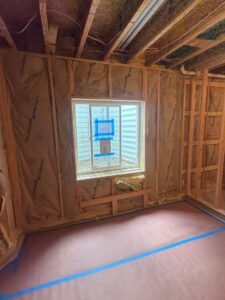
Building codes in Colorado often require egress windows if you’re finishing a basement into a habitable room. Installing well-designed window wells not only improves safety but also brings in more natural light, making the basement feel less underground and more inviting.
8. Built-In Storage & Custom Cabinetry
Smart storage solutions are a hallmark of custom basements. Built-in shelving, cabinetry, or under-stair closets help keep your space organized and clutter-free. This is especially useful if you’re adding a basement guest suite, recreation room, or media zone.
9. A Wet Bar or Beverage Station
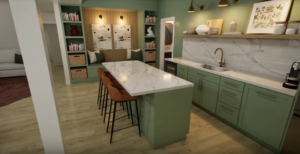
One of the most enjoyable upgrades is a wet bar. A basement bar complete with a sink, built-in refrigeration, and custom cabinets turns your lower level into a full entertainment hub. Whether you’re serving wine or mixed drinks, this feature adds both luxury and utility.
10. Bathroom or Spa-Inspired Fixtures
Adding a bathroom to your basement isn’t just a convenience; it’s often one of the most valuable upgrades. A full bathroom with a walk-in shower, modern tiles, and designer touches (like backlit mirrors or high-quality vanities) can turn your basement into a guest suite or in-law apartment.
This kind of enhancement also makes your home more appealing and functional long-term.
11. Sound & Decor Enhancements: Accents That Wow
Finally, don’t forget the finishes that elevate the overall feel. Consider architectural details like coffered ceilings, decorative trim, or accent walls. These add character and style. On top of that, layering fabric textures, rugs, curtains, and built-ins helps soften the space and make it feel more like a main living area.
Why These Upgrades Matter for Your Basement Remodel in Colorado
When you’re working with basement remodel contractors to finish a basement in Colorado, investing in these upgrades from the start pays off in multiple ways:
- Better long-term ROI: Enhancements like sound insulation, extra wiring, and built-ins may cost more up-front, but they’re harder and more expensive to retrofit later.
- Improved comfort & livability: Upgrades like insulation, lighting, and HVAC systems create a basement that’s usable year-round, even in Colorado’s changing seasons.
- Future flexibility: With infrastructure in place (like plumbing and wiring), your space becomes adaptable for a basement guest suite, home office, or media room later on.
- Added property value: High-quality, thoughtfully designed custom basements can significantly increase your home’s market value, especially in competitive Colorado markets. Mile High Renovation
Partner with the Right Basement Remodel Contractors
If you’re serious about getting all these finish upgrades right, it’s wise to work with experienced basement remodel contractors who know Colorado-specific challenges from moisture control to building codes. A pro team can help you:
- Plan strategically, deciding which upgrades to prioritize.
- Handle permits and egress window requirements.
- Install proper insulation, wiring, and plumbing while the walls are open.
- Recommend durable, moisture-resistant materials for flooring, storage, and trim.
Working with a skilled contractor ensures your finished basement isn’t just functional; it’s a beautifully tailored custom basement that adds value and comfort for years to come.
Final Thoughts
Upgrading your basement is about more than just creating more living space; it’s about building a place that fits your lifestyle, adds value, and stands the test of time. Whether you’re installing a cozy basement guest suite, a high-end entertainment area, or a quiet retreat, these 11 finish upgrades offer a strong foundation.
By thoughtfully implementing insulation, lighting, soundproofing, storage, and more during your remodel, you’ll transform an underused basement into a vibrant, multi-functional space that feels like a true extension of your Colorado home.
FAQs
Q1: How much do these upgrades cost when finishing a basement?
Costs vary widely based on the size of your basement and the complexity of the upgrades. For example, lighting, insulation, and built-in storage will add to basic basement finishing costs, but they also improve long-term usage.
Q2: Can I add these upgrades later if I’m on a tight budget now?
Some upgrades (like lighting and flooring) are easier to phase later. But structural and hidden upgrades, insulation, low-voltage wiring, and HVAC improvements are most cost-effective when done during the finishing process.
Q3: Do I need specific permits for these upgrades?
Yes. Adding plumbing (for a bathroom or bar) or egress windows or making electrical changes typically requires permits. A professional basement remodel contractor in Colorado can guide you through local building codes.
Q4: How do I choose which upgrades to focus on first?
Prioritize upgrades that are difficult to retrofit: insulation, wiring, and plumbing. Then layer in visible and decorative elements like flooring and built-ins.
Q5: Will these upgrades increase my home’s resale value?
Definitely. Quality custom basements with well-thought-out upgrades are highly attractive to buyers and can significantly boost your home’s value, especially if done professionally and to code.