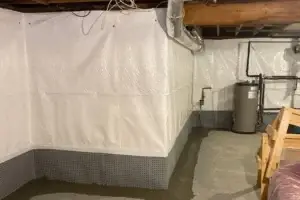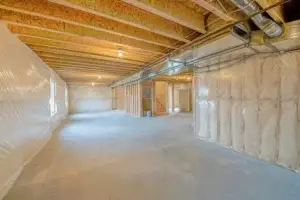
Finishing a basement in Colorado is an exciting way to expand living space, but before installing drywall, flooring, or insulation, there’s an important factor homeowners shouldn’t overlook: radon. Because radon is invisible and odorless, many homeowners don’t realize it could be affecting their indoor air quality until testing is completed.
Understanding radon mitigation before basement remodeling helps protect your home, your investment, and your family’s health. When planned correctly, a radon mitigation system can be seamlessly integrated into your basement finishing project.
A Healthier, Drier Basement Starts With What You Can’t See
Many homeowners assume moisture or temperature issues are the biggest concerns when finishing a basement. While those are important, indoor air quality including radon should also be part of the planning process.
Radon enters homes through:
- Foundation cracks
- Floor joints
- Sump pits
- Utility penetrations
- Porous concrete surfaces
Because basements sit below grade, they are more vulnerable to soil gases. When basement remodeling begins, airflow patterns often change, which can sometimes increase radon concentration if not addressed properly.
Planning ahead ensures your finished basement remains safe, comfortable, and compliant with recommended indoor air standards.
Why Radon Is a Real Concern in Colorado Basements
Colorado is considered a high radon potential area due to its soil composition and geological conditions. Many homes across the state test above the recommended radon levels, especially in basements.
This is particularly important when:
- Adding basement bedrooms
- Creating guest suites
- Building home offices
- Designing family or entertainment spaces
When you convert a basement into living space, radon exposure becomes more relevant because people spend more time there. That’s why finishing a basement in Colorado should always include radon awareness and testing.
Why Winter Can Make Basements Feel Worse (And Why That Matters)
Winter months often create conditions that increase radon levels. Cold air outside creates pressure differences between indoor and outdoor environments. This can draw soil gases, including radon, into the basement.
Additionally, sealed homes during winter reduce ventilation, allowing radon concentrations to build up over time. This is why winter is often considered one of the best times to test for radon levels.
During basement finishing projects, insulation and sealing improvements may also change airflow patterns, making proper planning essential.
What a Radon Mitigation System Is (And How It Works)
A radon mitigation system is designed to reduce radon levels by redirecting soil gases safely outside your home. The most common system uses a pipe and fan combination to create negative pressure beneath the foundation.
Here’s how it typically works:
- A pipe is installed through the basement slab or sump pit
- A fan pulls radon gases from beneath the home
- Gases are vented safely above the roofline
- The system runs continuously to maintain low radon levels
These systems are discreet, energy-efficient, and highly effective. When coordinated with basement remodel contractors, installation can be completed with minimal disruption.
How to Handle Radon Before (and After) a Basement Remodel
1) Test your basement the right way
Start with a radon test before construction begins. Short-term tests provide quick results, while long-term tests offer more accurate averages.
2) If results are 4.0 pCi/L or higher, plan mitigation
The EPA recommends mitigation when radon levels reach 4.0 pCi/L or higher. Many homeowners choose mitigation even at lower levels for additional peace of mind.
3) Coordinate mitigation with your basement finishing plan
Installing mitigation systems during construction often saves time and reduces overall costs. It also ensures a cleaner final design.
4) Retest after installation (and recheck periodically)
Testing after installation confirms system performance. Periodic testing ensures levels remain low over time.
“Test First” vs. “Finish First”
Testing before finishing is always recommended. Once drywall, flooring, and insulation are installed, adding mitigation can become more complex
Testing first allows:
- Easier installation
- Lower project costs
- Better system placement
- Cleaner finished appearance
For homeowners planning custom basements, this proactive approach ensures long-term comfort and safety.
Did You Know? (Fast Facts That Help Homeowners Act Sooner)
- Radon is the second leading cause of lung cancer
- Colorado homes often test above national averages
- Radon levels vary even between neighboring homes
- Basement finishing can change radon levels
- Mitigation systems are typically quiet and low maintenance
These facts highlight why radon testing should be part of every basement remodeling project.
Why “Basement Air” Can Change From Neighborhood to Neighborhood
Radon levels depend heavily on soil composition, foundation type, and home construction. Even homes in the same neighborhood can show very different results.
Factors that influence radon levels include:
- Soil conditions
- Foundation cracks
- Drainage systems
- Home ventilation
- Seasonal changes
This is why testing your specific home is essential rather than relying on general area averages.
Planning a Finished Basement in Colorado?
If you’re planning basement finishing in Colorado, radon mitigation should be considered part of the overall design not an afterthought. Addressing it early helps protect both your home value and your family’s health.
Experienced contractors understand how to integrate mitigation systems with:
- Insulation plans
- HVAC systems
- Layout design
- Moisture control strategies
Taking a comprehensive approach ensures your basement is comfortable, efficient, and safe.
FAQ: Radon Mitigation System Colorado Basements
Do all Colorado basements need radon mitigation?
Not all homes require mitigation, but testing is recommended for every basement before finishing.
How long does radon mitigation installation take?
Most systems can be installed within a day, depending on the home layout.
Does a radon mitigation system increase home value?
Yes. Many buyers view mitigation systems as a valuable safety feature.
Can radon levels change over time?
Yes. Seasonal changes, renovations, and airflow differences can affect levels.
Is radon mitigation expensive?
Costs vary, but installing during basement remodeling often reduces overall expenses.