Basements are highly vulnerable to moisture intrusion, making basement water damage one of the most common and costly issues homeowners face. Whether caused by foundation cracks, drainage failure, or flooding, water damage can quickly escalate into structural problems and health hazards.
At NOCO Accents, we specialize in identifying, restoring, and transforming water-damaged basements into safe, functional living spaces.
Why Basement Water Damage Happens
Understanding why basement water damage happens is the first step to prevention.
Because basements sit below ground level, they are constantly exposed to groundwater and soil pressure. When drainage systems fail or structural weaknesses appear, water finds its way inside.
Common causes include:
- Poor exterior grading
- Clogged gutters and downspouts
- Hydrostatic pressure buildup
- Faulty sump pumps
- Plumbing leaks
Basement wall cracks, water leak entry points
Over time, these issues create persistent basement moisture problems that worsen without intervention.
Common Signs of Basement Water Damage
Early detection makes restoration easier and less expensive. Many homeowners first notice odor before visible damage appears.
Typical signs of basement water damage include musty smells, damp air, and visible staining on walls. Flooring often reveals the problem especially when you find a wet basement carpet or warped laminate.
Paint bubbling, mold spots, and salt deposits on concrete walls are also strong signs of basement water damage signs that moisture is entering from outside.
Dangers of Ignoring Water Damage
Ignoring water intrusion rarely ends well. What starts as a small leak can escalate into structural and health hazards.
Moisture weakens wooden framing, corrodes metal supports, and deteriorates drywall. Over time, foundation stability may even be affected.
Health risks are equally serious. Mold spores thrive in damp environments, creating respiratory issues and allergies. Prolonged exposure to basement mildew dangers can impact indoor air quality throughout the home, not just the basement.
Financially, delayed repairs often double restoration costs and complicate future basement remodeling plans.
What to Do if You Discover Water Damage
If you discover flooding or leaks, immediate action is critical. Start by locating the water source. If plumbing is involved, shut off the main supply right away.
Standing water should be removed as quickly as possible. Professional teams often use wet vacuum water removal equipment to extract water from carpets and padding.
Once water is removed, drying begins. Dehumidifiers and air movers help stabilize humidity levels and prevent mold formation.
How to Fix Water Damage in Basement
Repairing water damage requires more than surface drying. It’s a step-by-step restoration process that addresses both visible and hidden issues.
1. Stop the Source
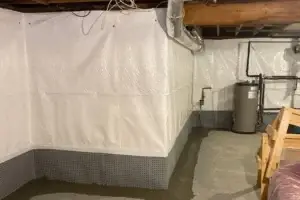
The priority is eliminating the cause. Contractors seal cracks, repair drainage grading, and fix basement wall cracks and water leak vulnerabilities. Installing exterior membranes or interior drains may also be necessary.
2. Dry Out the Area
Industrial drying equipment is used to remove trapped moisture. This includes subfloor drying, wall cavity ventilation, and carpet extraction, especially where wet basement carpet is involved.
3. Assess the Damage
After drying, professionals inspect structural materials. Insulation, drywall, and flooring are evaluated to determine salvageability.
4. Call in the Pros
Certified restoration experts ensure mold remediation, sanitation, and structural safety, particularly important before beginning basement renovation after water damage.
Restoration Tips from the Experts
Leading contractors, including the restoration team at NOCO Accents, recommend proven basement restoration tips to ensure durability and safety after water damage.
- Remove porous materials (carpet, drywall)
- Apply antimicrobial treatments
- Install vapor barriers
- Upgrade insulation
When rebuilding, choose basement waterproof flooring like vinyl plank, tile, or sealed concrete.
These upgrades support long-lasting basement renovation after water damage.
Proactive Prevention Tips
Prevent future flooding with smart basement moisture control strategies:
- Extend downspouts 6 to 10 feet away
- Clean gutters regularly
- Seal foundation cracks
- Install sump pumps
- Add interior French drains
Reliable basement drainage solutions are the backbone of water protection.
Trusted Help for DMV Homeowners
Professional contractors play a vital role in both restoration and finishing. At NOCO Accents, our team provides end-to-end solutions from waterproofing and structural repair to full basement finishing services tailored to moisture-prone environments.
Our services include water extraction, mold remediation, insulation replacement, drainage correction, and complete basement remodeling. Working with specialists ensures the rebuilt space is both functional and protected.
See What Your Basement Could Look Like!
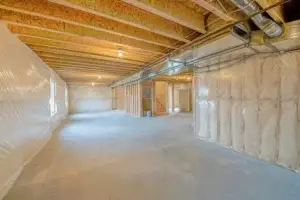
Once restored, basements can be transformed into comfortable, high-value living areas. Many homeowners use the opportunity to upgrade their layout and design.
Popular post-restoration upgrades include entertainment rooms, guest suites, home offices, and gyms. A well-planned basement renovation after water damage turns a previously damaged space into one of the most valuable areas of the home.
Ready to Fix and Finish?
Addressing basement water damage quickly is the key to protecting your home’s structure and air quality. From identifying basement water damage signs to implementing permanent basement moisture control systems, professional restoration ensures lasting results.
Whether you need emergency drying, waterproofing, or complete basement remodeling, NOCO Accents is here to help restore and transform your basement with confidence.
FAQ’s
What are the most common basement water damage signs?
The most common basement water damage signs include musty odors, damp walls, peeling paint, mold growth, and a wet basement carpet. You may also notice white chalky residue on walls or visible basement wall cracks, water leak areas where moisture seeps in.
Why does basement water damage happen even without flooding?
Many homeowners think water damage only comes from floods, but that’s not true. Why basement water damage happens often relates to poor drainage, hydrostatic pressure, plumbing leaks, or long-term basement moisture problems. Even small leaks can lead to major damage over time.
Can you renovate a basement after water damage?
Yes, you can complete a full basement renovation after water damage once the space is properly dried, cleaned, and restored. Contractors typically repair structural damage, install basement waterproof flooring, and implement basement moisture control systems before finishing.
What is the best way to prevent basement moisture problems?
The best prevention combines exterior and interior solutions. Proper grading, gutter extensions, sump pumps, dehumidifiers, and basement drainage solutions all help reduce risk. Regular inspections also help catch early signs of basement water damage before they worsen.