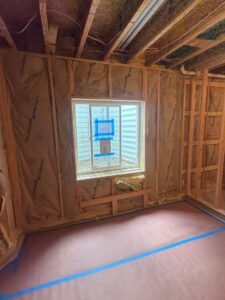
Basement moisture is one of the most common challenges homeowners face in Colorado. Even if there’s no visible water or flooding, basements can still feel damp, musty, or colder than the rest of the house. These conditions often appear during winter when temperature differences between indoor air and basement surfaces become more noticeable.
Understanding why moisture forms and how to manage it properly is essential when planning basement remodeling or finishing a basement in Colorado. With the right approach, homeowners can prevent long-term damage and create a basement that stays warm, dry, and comfortable year-round.
What “cold basement moisture” usually means (even without standing water)
Many homeowners assume moisture problems only exist when water is visible. In reality, basement moisture often shows up in more subtle ways.
Common signs include:
- Musty or earthy odors
- Cold, damp walls or floors
- Condensation on pipes or windows
- Slightly humid air even in winter
- Peeling paint or bubbling drywall
These symptoms usually indicate hidden moisture buildup rather than major leaks. Addressing the root cause early can prevent structural issues and protect the finishes installed during basement finishing projects.
Why Colorado basements trap moisture in winter
1) Warm indoor air finds cold surfaces and turns into water
During winter, heated indoor air holds more moisture than cold surfaces can handle. When warm air touches cooler basement walls or floors, condensation forms. Over time, this repeated condensation can create damp conditions even when no leaks are present.
2) Concrete is not “waterproof”: it can wick and store moisture
Concrete foundations are porous by nature. They absorb moisture from the surrounding soil and slowly release it into the basement spaces. This is why basements sometimes feel humid even when exterior drainage appears fine.
When building basement walls, proper moisture barriers and insulation help prevent this natural moisture transfer from affecting interior finishes.
3) Winter airflow patterns can pull air (and soil gases) into the basement
Homes experience a natural airflow pattern known as the “stack effect.” Warm air rises to upper levels, while cooler air enters the basement through small cracks or gaps in the foundation.
This airflow can bring in moisture and sometimes soil gases, such as radon, making ventilation planning important for custom basements or renovation projects.
4) Finishes can accidentally “trap” moisture
Improper materials or insulation methods can seal moisture inside walls. When this happens, hidden condensation accumulates behind drywall, leading to mold risks and long-term structural damage.
Selecting the right materials during basement remodeling helps prevent these issues from developing.
Symptom Likely Cause Best First Move
When moisture appears in a basement, identifying the cause is the first step toward solving the problem.
Condensation on pipes or walls
- Likely cause: Temperature difference between warm air and cold surfaces
- Best move: Improve insulation and airflow
Musty smell in winter
- Likely cause: Trapped humidity or poor ventilation
- Best move: Increase air circulation and check humidity levels
Damp flooring or cold concrete
- Likely cause: Moisture wicking through foundation materials
- Best move: Install proper vapor barriers and moisture-resistant flooring
Persistent humidity despite heating
- Likely cause: Poor ventilation or lack of dehumidification
- Best move: Add humidity control and balanced airflow
How to reduce basement moisture (without guesswork)
Step 1: Measure humidity the right way
Before making improvements, it’s important to understand actual humidity levels. A simple hygrometer can reveal whether indoor humidity is within the healthy range of roughly 30–50 percent.
Monitoring humidity helps determine whether ventilation, insulation, or dehumidification is the most effective solution.
Step 2: Eliminate bulk water first (outside matters)
Many moisture problems begin outside the home. Proper drainage around the foundation reduces water infiltration.
Important exterior solutions include:
- Maintaining clean gutters and downspouts
- Ensuring soil slopes away from the house
- Repairing cracks in exterior foundation surfaces
These steps reduce moisture entering the basement before interior improvements are needed.
Step 3: Reduce condensation by warming or isolating cold surfaces
Cold surfaces attract condensation. Insulating foundation walls and sealing air leaks helps keep surface temperatures closer to indoor conditions.
Proper insulation planning during basement finishing in Colorado is one of the most effective long-term moisture-prevention strategies.
Step 4: Control indoor moisture sources
Basement moisture isn’t always external. Activities inside the home can also contribute to humidity.
Common indoor moisture sources include:
- Laundry areas
- Showers or bathrooms
- Cooking appliances
- Poor ventilation systems
Addressing these sources helps maintain balanced humidity levels.
Step 5: Choose basement finishes that handle real conditions
Not all materials perform well below grade. Basements benefit from finishes designed to tolerate moisture and temperature changes.
Popular moisture-resistant choices include:
- Luxury vinyl plank flooring
- Engineered wall systems
- Mold-resistant drywall
- Sealed concrete surfaces
These materials protect against moisture damage while maintaining long-term durability.
A Colorado-specific note: winter air can be dry upstairs and damp downstairs
Colorado’s dry climate can be misleading when it comes to basement moisture. While upper floors often feel dry during winter, basements behave differently due to temperature differences and limited airflow.
This means a home can simultaneously experience:
- Dry air upstairs
- Humid or damp conditions downstairs
Balancing airflow and humidity across all levels of the home is essential for comfort and long-term building health.
Want a basement that stays warm, dry, and comfortable all winter?
The best basements combine smart moisture control, balanced airflow, and proper insulation. When these elements work together, homeowners can transform below-grade spaces into comfortable living areas without worrying about dampness or musty odors.
Planning ahead during basement finishing or renovation ensures moisture is managed before new walls, flooring, and ceilings are installed. With the right approach, your basement can feel just as inviting as the rest of your home.
Glossary
Condensation:
Water droplets form when warm air meets a cold surface.
Vapor Barrier:
A material designed to prevent moisture from passing through walls or floors.
Stack Effect:
A natural airflow pattern where warm air rises and cooler air enters the lower levels of a home.
Hygrometer:
A device used to measure indoor humidity levels.
Basement Finishing:
The process of converting an unfinished basement into a usable living space with walls, flooring, lighting, and ventilation systems.
FAQ: Cold basement moisture problems in Colorado
Why does my basement feel damp even without leaks?
Moisture often forms through condensation or concrete absorption rather than visible water leaks.
Is basement moisture common in Colorado homes?
Yes. Temperature differences and foundation materials can create condensation and humidity in basements.
Can finishing a basement make moisture worse?
It can if materials trap moisture or if ventilation is inadequate. Proper design prevents these issues.
How do I know if the basement humidity is too high?
Use a hygrometer to measure humidity levels. Ideal basement humidity typically ranges between 30–50%.
What flooring works best in slightly damp basements?
Moisture-resistant flooring such as vinyl plank, sealed concrete, or engineered flooring performs well.
Can insulation help prevent basement moisture problems?
Yes. Proper insulation warms cold surfaces and reduces the risk of condensation.