Finishing a basement is one of the most valuable upgrades homeowners can make in Windsor, Colorado. Whether you’re adding a guest suite, home office, rental space, or entertainment area, permits and inspections are a required part of the journey. In 2026, local regulations continue to prioritize safety, energy efficiency, and legal livability. Understanding the permit process before construction begins helps you avoid delays, unexpected costs, and resale complications.
This guide breaks down how basement permits and inspections work in Windsor step-by-step so you can move forward with confidence.
Why Basement Permits Matter in Windsor, CO
Permits are not just paperwork; they’re protection. The city requires permits to ensure that finished basements meet structural, electrical, plumbing, and fire safety codes. A permitted basement is legally recognized as livable square footage, which directly impacts home value and resale potential.
Without permits, homeowners risk fines, insurance complications, and failed home inspections during a sale. Buyers today are more informed, and unpermitted work often becomes a negotiation issue or deal breaker.
Basement Projects That Require Permits
Most basement renovations require permits, especially when construction or mechanical systems are involved. Even if the basement was previously unfinished, converting it into a functional living space triggers code compliance requirements.
Projects that typically require permits include:
- Building or removing walls
- Installing electrical wiring or lighting
- Adding bathrooms or plumbing lines
- Modifying HVAC systems
- Creating bedrooms
- Installing egress windows
- Lowering floors or altering the structure
If safety, structure, or utilities are affected, a permit is almost always required.
What Work May Not Need a Permit
Cosmetic upgrades are usually exempt, though it’s always best to confirm with the Windsor Building Department before starting.
Examples of non-permit work include painting, trim installation, flooring replacement, and cabinetry. However, the moment a project involves wiring, plumbing, or structural framing, permits come back into play.
Planning & Design: The First Step
Every successful permit begins with detailed planning. Construction drawings outline the full scope of the basement remodel, including layout, mechanical systems, and safety features.
Plans typically show:
- Room layouts and dimensions
- Electrical outlet placement
- Lighting design
- Plumbing fixture locations
- HVAC routing
- Egress window sizing
Well-prepared drawings speed up approvals and reduce revision requests from the city.
Submitting the Permit Application
Once plans are complete, they’re submitted for review along with supporting documentation. Applications must include contractor details, project scope, and permit fees.
Incomplete submissions are one of the most common causes of delays. Missing drawings, unclear measurements, or absent contractor licenses can all trigger resubmission requests.
City Plan Review Process
After submission, Windsor officials review plans for code compliance. They evaluate structural safety, fire escape routes, ceiling heights, insulation values, and mechanical systems.
If corrections are required, homeowners or contractors must revise the plans before approval is granted. While this step can take time, it ensures the finished basement meets all safety and livability standards.
When Permits Are Approved
Once approved, the city issues the permit, and construction can begin. The permit must be posted onsite, and all work must follow the approved drawings.
If design changes occur mid-project, such as moving a bathroom or adding a bedroom, updated approval is required before work continues.
Inspection Stages During Construction
Inspections occur at multiple phases, not just the end. Each inspection confirms that work meets code before the next stage begins.
Typical basement inspection phases include:
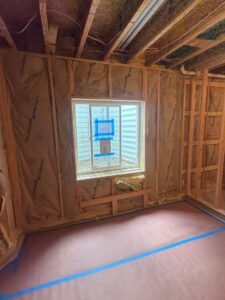
- Framing inspection: Wall structure and supports
- Electrical inspection: Wiring and circuit safety
- Plumbing inspection: Drainage and venting
- HVAC inspection: Ductwork and airflow
- Insulation inspection: Energy compliance
- Final inspection: overall project approval
Missing an inspection can delay the project and require reopening finished walls.
Egress & Bedroom Safety Requirements
Basement bedrooms must meet strict safety standards to be considered legal living spaces. Egress windows provide emergency escape and rescue access.
Requirements generally include minimum opening sizes, accessible window wells, and ladder access if the window is below grade. Without proper egress, a basement room cannot legally be marketed as a bedroom.
Ceiling Height & Structural Rules
Ceiling height plays a major role in permit approval. Low ceilings can prevent a basement from qualifying as livable square footage.
Windsor codes typically require finished ceiling heights around 7 feet, with specific clearances below beams and ductwork. If ceilings fall short, structural adjustments may be necessary before finishing begins.
Electrical & Lighting Compliance
Modern basement electrical systems must meet updated safety codes. This includes protected circuits, proper outlet spacing, and hardwired smoke detectors.
Well-designed lighting is also reviewed during inspection. Bright, even illumination improves both safety and livability, especially in below-grade spaces.
Plumbing & Bathroom Permits
Adding a basement bathroom significantly increases both value and inspection complexity. Plumbing inspections evaluate drainage slope, venting systems, and sewage ejector pumps when needed.
Improper plumbing design is one of the most common reasons basement projects fail inspection, making professional planning essential.
Permit Timelines in 2026
While timelines vary, most Windsor CO basement permits follow a predictable schedule. Approval can take a few weeks depending on project complexity, while construction may span one to three months.
Inspection scheduling typically requires advance notice, so project timelines should account for these checkpoints.
Permit Costs & Budget Impact
Permit costs depend on square footage and project scope. Electrical, plumbing, and structural work all influence final fees.
Although permits add upfront expense, they protect long-term home value. A legally finished basement appraises higher and sells faster than an unpermitted space.
Common Permit Mistakes Homeowners Make
Many delays stem from avoidable errors. Starting construction without permits, hiring unlicensed contractors, or skipping inspections can halt projects quickly.
Other frequent mistakes include ignoring egress rules, underestimating ceiling height requirements, or making layout changes without city approval.
Benefits of Hiring Permit-Experienced Contractors
Working with experienced basement remodeling professionals simplifies the entire process. They handle drawings, submissions, inspections, and revisions on your behalf.
This expertise reduces approval times, prevents costly corrections, and ensures construction aligns with Windsor’s latest codes.
Windsor Code Trends & 2026 Updates
Building codes evolve to reflect safety and efficiency priorities.
- Emerging Focus Areas
- Energy-efficient insulation
- Radon mitigation systems
- Fire separation requirements
- Advanced ventilation standards
- Emergency escape improvements
Designing with future codes in mind protects long-term resale value.
Final Thoughts
Understanding basement permits and inspections in Windsor, CO, is essential before starting any renovation. While the process may seem detailed, each step ensures your finished space is safe, legal, and built to last.
From planning drawings to final approval, following the proper permit path protects your investment and prevents future complications. With the right preparation and the guidance of experienced professionals, your 2026 basement project can move smoothly from concept to completion.
Frequently Asked Questions.
Do I need a permit to finish my basement in Windsor, CO?
Yes. Most basement finishing and remodeling projects require permits, especially if electrical, plumbing, framing, or HVAC work is involved.
How long does it take to get a basement permit approved in Windsor?
Approval timelines vary, but most residential basement permits are reviewed within a few weeks, depending on project complexity and the number of revisions.
What inspections are required during basement finishing?
Typical inspections include framing, electrical, plumbing, HVAC, insulation, and a final inspection before project completion.
Can I add a bedroom in my basement without a permit?
No. Basement bedrooms must meet legal code requirements, including egress windows, and require permits and inspections to be recognized as livable space.
What happens if I finish my basement without permits?
Unpermitted work can lead to fines, insurance issues, failed home sales, and costly corrections to bring the space up to code.
How much does a basement permit cost in Windsor, CO?
Permit costs vary based on square footage and scope of work, including electrical, plumbing, and structural elements.